











Black Liquor Evaporators – Principles
Describes how evaporators generally function and lists the objectives of black liquor evaporators at kraft pulp mills. Introduces some steam theory topics, including the relationship between steam pressure and temperature, flashing, and boiling point rise (BPR). Examines the impact of steam theory on evaporator size and the number of effects in a multiple effect evaporator set.


Demos + Pricing
Learn more about our courses, get pricing, and see our platform.
Course Details
Learning Objectives
• Describe the purpose of evaporators
• List the objectives of black liquor evaporators
• Describe the key principles of steam theory, including the relationship between temperature and pressure, and flashing
• Describe the effect of concentration on boiling point rise
• Describe why evaporator body sizes are not all the same
Specs
Frequently Asked Questions
What is boiling?
What happens to the solids in a water solution when the solution is boiled?
How can the boiling temperature of water be changed?
What is latent heat?
Why are the final effects in multiple effect evaporators sometimes larger than the initial effects?
Sample Video Transcript
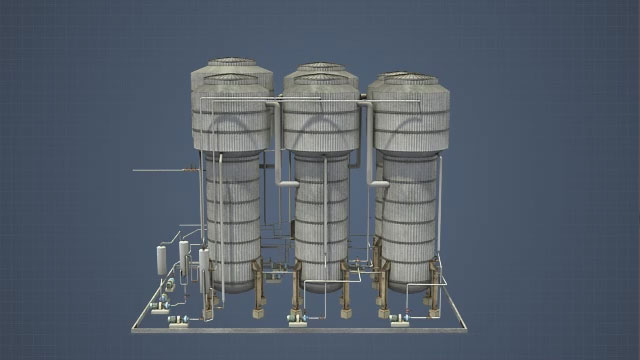
At a kraft pulp mill, evaporators are used to remove water from the used pulping chemical solution in order to concentrate it. This is the first step in the process that is used to recover the chemicals so that they can be reused in the pulping process. Black liquor evaporators have several objectives. One, efficiently heat and remove water from the black liquor so that it can be fired into the recovery boiler. Two, avoid scale formation inside the evaporators. Three, produce condensate or warm water that is clean enough for reuse in the pulp mill and recausticizing area in order to reduce fresh water usage. And four, safely remove any volatile components and NCGs or non-condensable gases that are produced.


