









DOT Entry Level Driver Training – Vehicle Systems and Reporting Malfunctions: Roadside Inspections
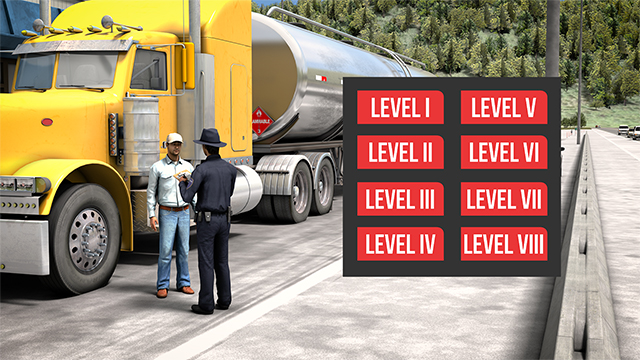
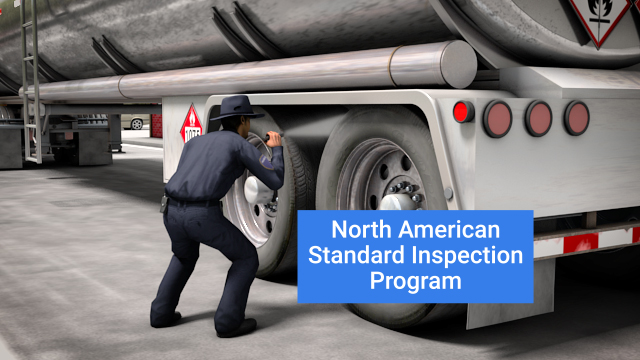
Specially trained inspectors use procedures and criteria from the CVSA’s North American Standard Inspection Program to conduct roadside inspections of CMVs and CMV drivers in the U.S., Canada, and Mexico. This program identifies the critical inspection items and unsafe conditions that can place vehicles or drivers Out-of-Service, and it ensures a uniform and reciprocal inspection and enforcement process in North America. This course details the roadside inspection process and eight inspection levels, lists the violations that can place a driver or vehicle Out-of-Service, and give some tips on avoiding and surviving inspections.



Demos + Pricing
Learn more about our courses, get pricing, and see our platform.
Course Details
Learning Objectives
At the end of this course, you will be able to:
- Describe the purpose of the Commercial Vehicle Safety Alliance’s (CVSA) North American Standard Inspection Program
- Describe how the Federal Motor Carrier Safety Administration (FMCSA) works to improve safety for commercial motor vehicles (CMVs) and CMV drivers
- State the definition of commercial motor vehicle
- Describe the documentation and recordkeeping requirements for CMVs and CMV drivers
- Describe the eight CVSA inspection levels
- Identify who can conduct roadside inspections and where they can take place
- List the possible outcomes of a roadside inspection and the violations that can place a driver or vehicle “Out-of-Service”
- Describe how motor carriers and drivers can avoid roadside inspections, and how to best survive one
Specs
Frequently Asked Questions
Who was involved in setting up the DOT roadside inspection program?
If I recently passed a Level I roadside inspection in the U.S., is this recognized in Canada and Mexico?
Do I need to keep all inspection reports in the vehicle at all times?
For which type(s) of roadside inspection is a CVSA decal issued?
How can I avoid a roadside inspection?
Sample Video Transcript
Level I North American Standard Inspections are the most common and most comprehensive, covering both the driver and the vehicle. Vehicles that pass a Level I Inspection are awarded a CVSA decal that is valid for the month of issue plus two months. CVSA decals are color-coded by quarter of issue and the last number of the calendar year is indicated. A valid decal generally allows a vehicle to avoid re-inspection, unless a problem is observed. At the start of the inspection, the inspector collects the driver’s documents and permits, identifies the carrier, checks for the presence of hazardous materials, and explains the inspection process to the driver. Meanwhile, they evaluate the driver for seatbelt use, signs of fatigue, and the use or possession of alcohol or illegal drugs.


