











DOT Hazmat – Marking
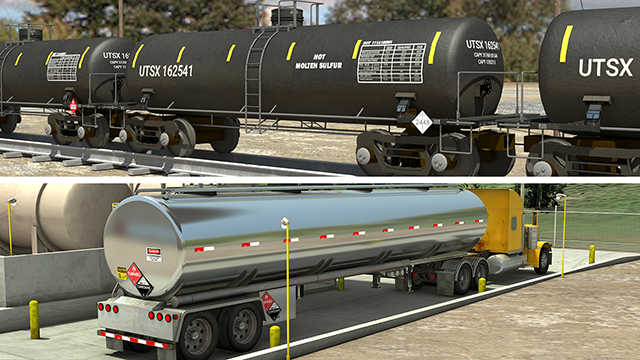
The packaging used to secure hazardous materials during transport typically contains markings and labels to indicate that it contains a hazardous material. The purpose of these markings and labels is to communicate the hazards and risks of the materials being transported to anyone who could be exposed to them. All markings must be legible and durable; clearly visible; written in English; printed on or affixed to the package surface or a label, tag, or sign; and placed away from other markings (such as advertising) that could substantially reduce their effectiveness. DOT marking requirements are detailed in Part 172, Subpart D of the HMR.



Demos + Pricing
Learn more about our courses, get pricing, and see our platform.
Course Details
Learning Objectives
• Define the terms “hazardous material,” “packaging,” “package,” “bulk packaging,” and “non-bulk packaging,” as defined in the Hazardous Material Regulations (HMR) • Identify the responsibilities of shippers, carriers, and drivers for hazardous material shipments • List general packaging requirements for hazardous materials • Identify UN POP marks, Box Maker’s Certificates, and “Glass – Handle with care,” “Keep dry,” and “Upright position” markings • Identify general, material-specific, and packaging-specific marking requirements for bulk and non-bulk packaging • Identify the DOT markings used to identify marine pollutants, radioactive materials, poisons, self-reactive materials and organic peroxides, explosives, regulated medical waste, and elevated temperature materials
Specs
Frequently Asked Questions
What is the significance of UN Performance Oriented Packaging (POP) certification?
Why is it important to maintain some vacant space in containers being used to transport liquid hazardous materials?
Where can I find the Proper Shipping Name and ID number for a hazardous material?
What markings are required on Limited Quantity packagings?
When is the MARINE POLLUTANT marking required on packagings?
Sample Video Transcript
Unless otherwise specified, all packaging used to contain hazardous materials for transport must meet the United Nations’ Performance Oriented Packaging (UN POP) standards. UN POP certification indicates that the packaging is capable of passing performance tests that are designed to mimic the forces experienced during transport. Corrugated boxes, drums, portable tanks, cargo tanks, and many other types of packaging can be certified, which is indicated by a UN POP mark. Shippers assembling UN packaging must follow the manufacturer’s assembly instructions in order for the packaging to meet the UN performance requirement.


