











pH and Consistency Control for Paper Machine Stock
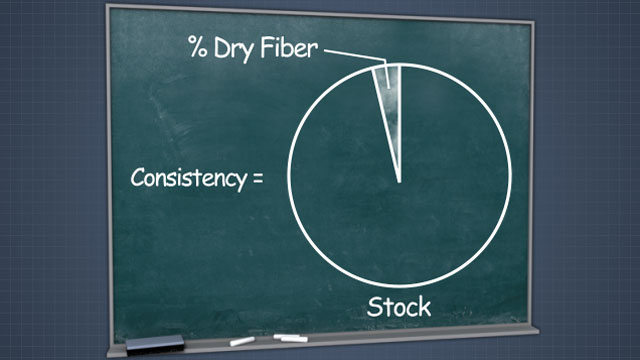
The main goal of a paper or board machine stock system is to consistently supply the desired mixture of fibers, fillers, chemicals, and water to the paper or board making process. As part of this goal, it is important to control two stock variables – pH and consistency. If either of these variables is outside its desired range, the sheet produced will not meet product specifications. Having good control of stock pH and consistency helps to produce the same quality sheet, day in and day out.

Demos + Pricing
Learn more about our courses, get pricing, and see our platform.
Course Details
Learning Objectives
• Identify safety hazards and safety guidelines related to stock systems on paper and board machines, including pH control systems • Define “consistency,” “pH,” “acid,” “base” and “buffer” • Identify the benefits of good consistency control • Identify and describe the types of consistency transmitters • Describe common consistency control strategies, including feedback, feedforward and cascade • Describe the pH scale • Describe pH measurement and control • Describe the impact of pH on wet end chemistry
Specs
Frequently Asked Questions
Why is it important to control consistency in a paper or board machine stock system?
How is consistency controlled in a paper or board machine stock system?
What different control strategies are available to control consistencies in stock systems?
Why is it important to control pH in paper and board machine stock systems?
How is pH controlled on a paper or board machine?
Sample Video Transcript
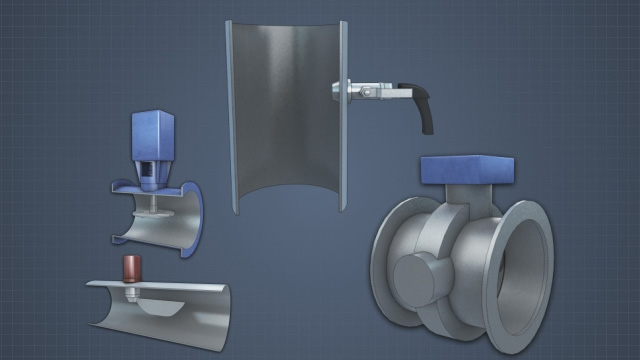
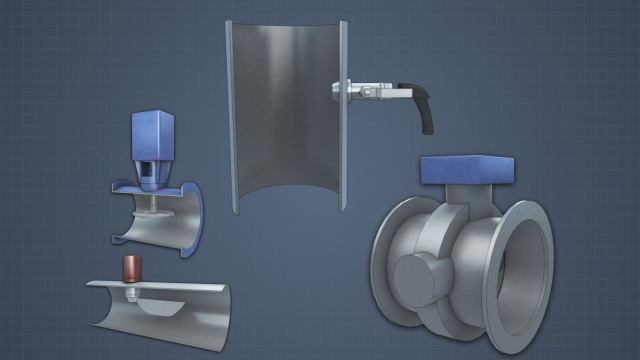
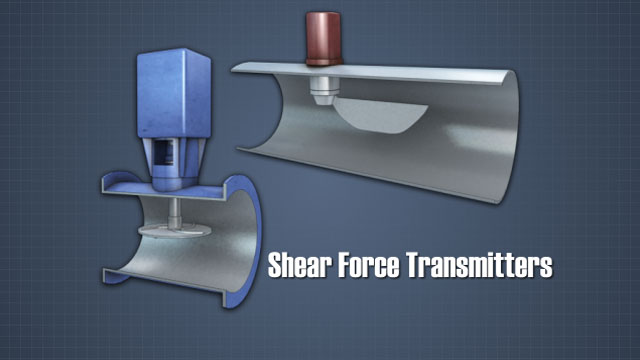
There are three major technologies available to measure consistency. Inferred methods such as agitator motor load are also sometimes used. The major consistency measurement technologies are one, shear force, two, optical, and three, microwave. Shear force transmitters are commonly used to measure consistencies that are greater than 1.5%. In rotary type devices, the shear force is reflected as the torque required for the rotating propeller to maintain a constant speed. Blade-type consistency transmitters operate on the shear force it takes to pivot or shear the sensor blade through the stock. This force is then converted into a voltage and finally into an output.


