











Supplemental and Recycled Fiber – Bale Handling
Wood fiber accounts for more than 90% of the raw material used in the production of paper and board products, and it can come from a variety of sources. These sources can be slushed virgin fiber that is produced onsite, market pulp from other pulp mills, or recycled/secondary fiber. This course will cover the storage and handling of market pulp and recycled fiber bales at papermaking facilities.

Demos + Pricing
Learn more about our courses, get pricing, and see our platform.
Course Details
Learning Objectives
• Define the terms “integrated mill,” “market pulp,” “recycled fiber,” “pre-consumer waste,” and “post consumer waste”
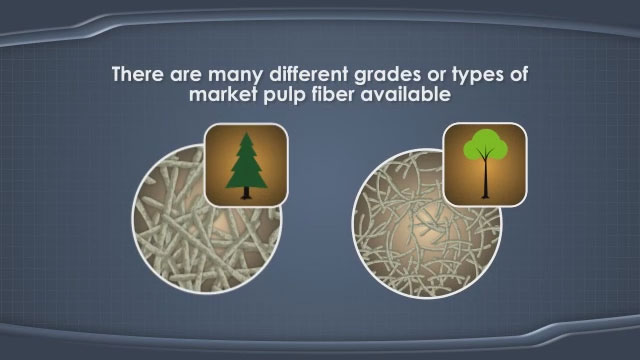
• Identify and describe the major differences between market pulp fiber and recycled fiber
• Identify and describe the equipment used during bale handling
• Explain why indoor bale storage is preferred over outdoor storage
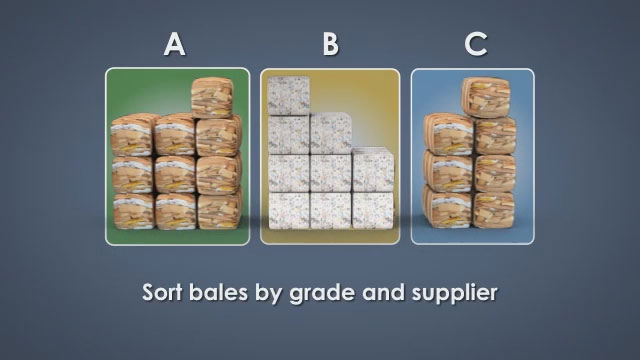
• Explain why it is good practice to sort bales in the warehouse by grade and source
• Identify and describe safety hazards and safety guidelines associated with bale handling
Specs
Frequently Asked Questions
What is the difference between recycled paper and market pulp?
What are the two major classes of recycled paper?
How are bales “unpacked”?
How should bales be stacked when they are stored?
What happens to the material in an recycled paper bale after it is unpacked?
Sample Video Transcript
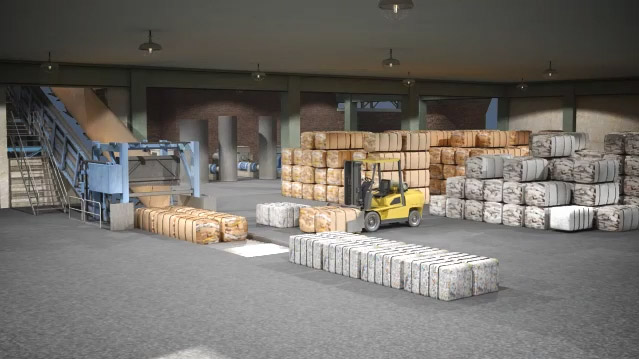
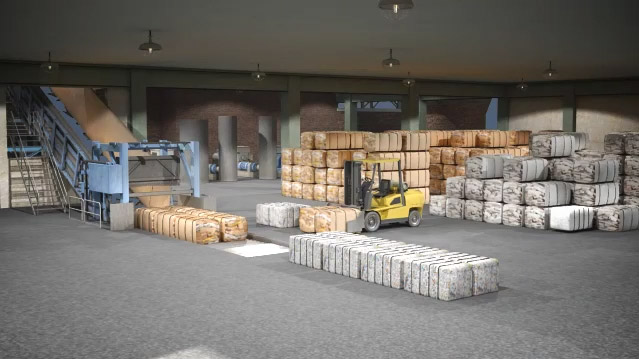
The following equipment is commonly found at bale handling sites. Trucks and railcars, which deliver bales to the facility. Forklift and bale grab trucks, which transport and arrange the bales within the facility. A dewiring device, a blade or other device that is used to remove the baling wire in order to unpack and prepare the bales for repulping. One or more conveyors to transport the unpacked bales to the repulper. And one or more repulpers which receive the unpacked bales, add water and provide agitation to break up the pulp sheets or recycle fiber into individual fibers in a pulp suspension.


